AP Moller Holding's acquisition of Ocean Yield reshapes ship leasing ownership
A $5bn contracted backlog changes hands as private equity exits and family-controlled capital enters the vessel leasing space.
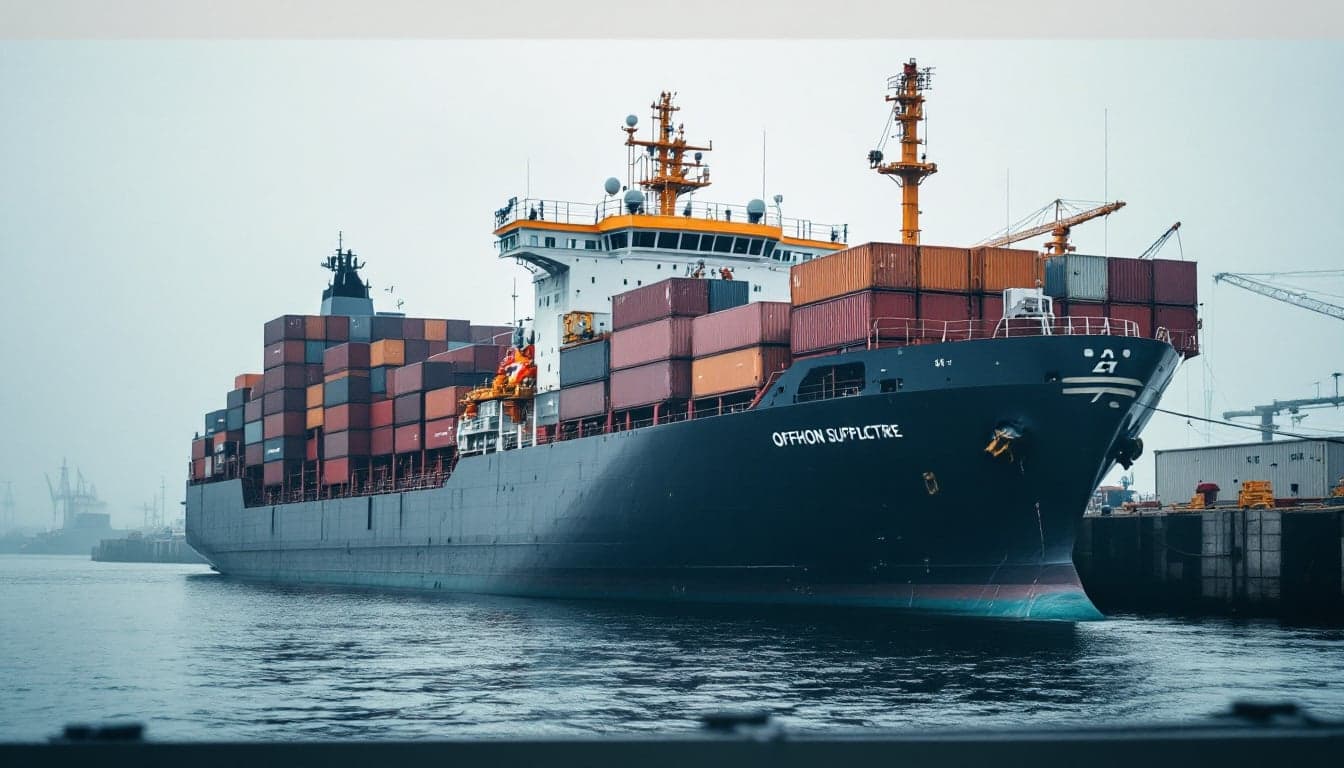
AP Moller Holding's acquisition of Ocean Yield reshapes ship leasing ownership
A $5bn contracted backlog changes hands as private equity exits and family-controlled capital enters the vessel leasing space.
The News
According to Seatrade Maritime, AP Moller Holding has agreed to acquire Ocean Yield from KKR, the private equity firm that had previously held the vessel lessor. The transaction transfers a contracted backlog of approximately $5bn, built across a portfolio spanning LNG carriers, tankers, container vessels, dry bulk ships, and offshore assets.
The deal represents a meaningful ownership transition in the vessel leasing segment: from a financial-sponsor model, where return timelines and exit discipline are central, to a long-horizon, family-controlled holding structure associated with the Moller group. Ocean Yield's counterparties across its backlog are described as blue chip, suggesting the contracted cash flows carry relatively low credit risk.
Financial terms beyond the backlog figure were not disclosed in the source reporting, and the timeline for closing the transaction was not specified.
Why It Matters
For the Brazilian offshore market, the immediate operational impact of this transaction is limited — Ocean Yield's assets continue to operate under their existing contracts regardless of who holds the equity. But the structural implications of who owns vessel leasing platforms, and with what financial logic, are worth examining carefully.
KKR's ownership of Ocean Yield followed a recognizable private equity playbook: acquire a cash-flow-generating asset base, optimize the capital structure, and eventually exit at an acceptable multiple. That model tends to produce disciplined portfolio management but also creates pressure to recycle capital within a defined fund horizon. AP Moller Holding operates with a fundamentally different time horizon. Family-controlled holding companies with multi-generational perspectives can afford to hold assets through cycle troughs, reinvest in fleet renewal, and accept lower near-term returns in exchange for long-run positioning. This distinction matters for how Ocean Yield's counterparties — and potential future counterparties — can expect the platform to behave.
For Brazilian operators and their supply chains, the offshore slice of Ocean Yield's portfolio is the most directly relevant segment. The source does not specify which offshore asset types or geographies are represented, but the inclusion of offshore assets in a $5bn backlog alongside LNG, tanker, container, and dry bulk exposure signals that Ocean Yield operates as a diversified lessor rather than a specialist. That diversification is itself a structural feature: it means the offshore segment competes internally for capital allocation alongside other shipping verticals, rather than being the sole focus of the platform.
Petrobras and independent operators active in Brazilian waters — whether in pre-sal development, production support, or subsea intervention — rely on a functioning vessel leasing and financing ecosystem. When ownership of leasing platforms shifts, the appetite for new commitments, the pricing of long-term charters, and the willingness to engage in sale-leaseback structures can all be affected. A transition toward a longer-horizon owner could, analytically, support more patient engagement with multi-year offshore charter structures — the kind that underpin FPSO financing, anchor-handling tug supply arrangements, and pipe-lay vessel commitments. Whether AP Moller Holding pursues that direction with Ocean Yield's offshore book remains to be seen.
There is also a broader signal here about the direction of capital in maritime assets. KKR's exit from Ocean Yield, and the entry of a strategic family-controlled buyer, is consistent with a pattern observable across several shipping and offshore finance transactions: financial sponsors who entered the space during periods of distressed valuations are now finding exit windows, while industrial and family-controlled capital is consolidating positions for the longer term. For Brazilian suppliers and shipowners considering sale-leaseback or long-term charter financing, understanding who holds the paper on the other side of the transaction — and what their return requirements look like — is increasingly material to deal structuring.
Finally, the scale of the backlog is notable context. A $5bn contracted revenue stream, spread across multiple asset classes and blue-chip counterparties, represents a platform of meaningful size in the vessel leasing market. That scale gives the combined AP Moller Holding / Ocean Yield entity potential leverage in future negotiations — whether for fleet expansion, refinancing, or new asset origination — that a smaller or more fragmented lessor would not have.
Context
AP Moller Holding is the controlling entity behind the broader Moller group, which has historically maintained interests across shipping, logistics, and energy infrastructure. Its entry into vessel leasing through Ocean Yield extends that footprint into a segment where contracted cash flows and long-duration assets align naturally with patient capital.
The vessel leasing model — distinct from traditional ship ownership in that assets are structured around long-term charter agreements with creditworthy counterparties — has attracted both financial sponsors and strategic investors over the past decade, particularly as offshore and LNG asset financing became more complex following the 2014-2016 commodity cycle. Transactions of this type are a useful indicator of where long-duration maritime capital is flowing, and by extension, what financing conditions Brazilian offshore operators are likely to encounter when they next seek vessel financing or charter commitments from international platforms.
Source: SEATRADE MARITIME