Baker Hughes wins subsea production contract for Eni's Cronos gas field off Cyprus
The award signals continued deepwater gas investment in the Eastern Mediterranean — a market with limited direct overlap with Brazil's pre-sal focus.
THE NEWS
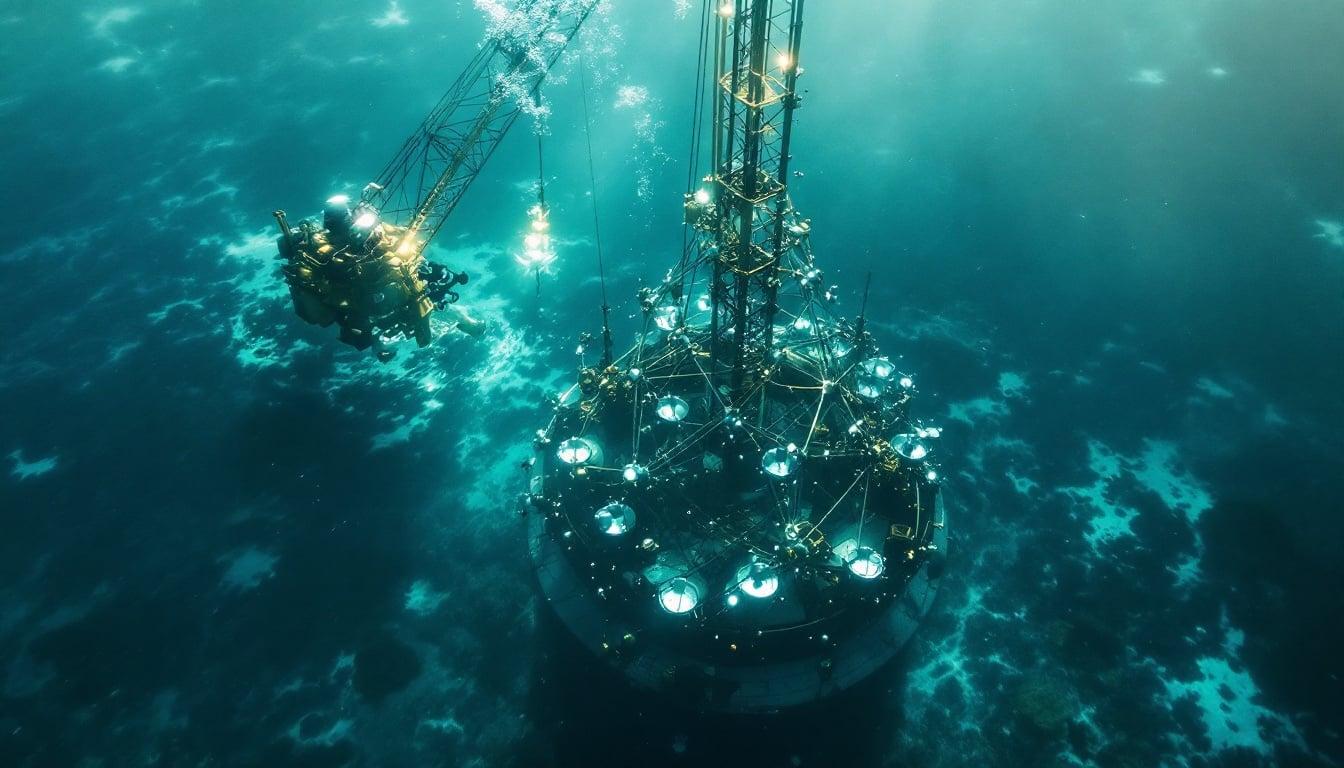
According to Offshore Engineer, Baker Hughes has secured a contract from Eni to supply subsea production systems and services for the Cronos deepwater gas development, located offshore Cyprus. The scope covers subsea production systems along with associated services for the field.
The Cronos field is a deepwater gas development, and the contract represents a notable award for Baker Hughes's subsea equipment business. The publication describes the contract as "significant" in scale, though specific financial terms were not disclosed in the available reporting.
No further details regarding project timeline, water depth, or the number of wells to be equipped were available in the source material at the time of publication.
WHY IT MATTERS
For readers focused on Brazil, the direct operational significance of this award is limited. Cronos is a gas development in the Eastern Mediterranean, a basin with a distinct geological and commercial profile from the pre-sal Santos and Campos basins. That said, the award is worth tracking for what it signals about Baker Hughes's subsea systems positioning and Eni's capital deployment priorities — both of which have a Brazilian dimension.
Baker Hughes maintains an active presence in Brazil's offshore supply chain, and contract awards of this nature reinforce the company's reference portfolio in deepwater subsea production systems. In a market where Petrobras and its consortium partners regularly evaluate subsea equipment vendors for well completions, tie-backs, and production system upgrades across pre-sal blocks, a supplier's demonstrated deepwater capability — wherever it is built — contributes to its competitive standing in future tender processes. This Cronos award adds to that portfolio.
From Eni's perspective, the contract reflects continued capital commitment to the Eastern Mediterranean gas corridor. Eni operates in Brazil as well, holding interests in offshore blocks, and the company's appetite for deepwater gas development in other geographies offers a useful reference point for how it approaches capital allocation across its global portfolio. Brazilian regulators and co-venturers who monitor Eni's strategic posture will note that the company continues to invest in deepwater gas infrastructure internationally, even as the energy transition debate shapes long-cycle investment decisions across the sector.
The broader subsea equipment market context is also relevant here. Subsea production systems — trees, manifolds, control systems, and associated infrastructure — represent a long-lead, capital-intensive segment of the offshore supply chain. Demand for these systems is a reliable indicator of final investment decisions on deepwater projects globally. When major service companies such as Baker Hughes secure awards of this type, it reflects that operators are advancing projects through to execution, not merely holding them in appraisal. For Brazilian suppliers and service companies that participate in the global subsea equipment ecosystem — whether as subcontractors, local content partners, or technology licensees — sustained international demand supports the broader market conditions that underpin activity in Brazil.
There is also a local content angle worth noting for Brazilian industry observers. Brazil's regulatory framework, administered through ANP, requires operators to meet local content thresholds for subsea equipment and services on blocks awarded under production sharing and concession regimes. As global subsea equipment manufacturers such as Baker Hughes continue to win international awards, the question of how much of that manufacturing and engineering capability is localized in Brazil — versus imported — remains a standing point of attention for ANP, Prominp, and the broader industrial policy conversation. This award does not change that dynamic, but it is a reminder that the subsea equipment segment is globally competitive and that Brazilian industrial policy faces ongoing pressure to make local supply chains attractive to international vendors.
CONTEXT
The Eastern Mediterranean has seen a series of deepwater gas discoveries and development sanctions over the past decade, with Cyprus, Israel, and Egypt emerging as active frontiers. Eni has been among the more active operators in the region. The Cronos field is part of a broader wave of deepwater gas development that has kept subsea equipment manufacturers occupied alongside the parallel demand surge driven by pre-sal activity in Brazil and deepwater projects in West Africa.
Baker Hughes competes in the subsea systems segment alongside other established suppliers. The company's ability to secure awards across multiple deepwater basins simultaneously reflects the current state of the market: deepwater project sanctioning has remained resilient despite broader energy transition pressures, sustaining demand for the long-lead equipment that underpins production from these fields.
Source: OFFSHORE ENGINEER