Delfin FLNG 1 reaches FID, reshaping the global floating LNG landscape
The first US-flagged floating LNG project and a contender for the world's largest FLNG unit clears its final investment hurdle — with implications for LNG supply dynamics that Brazilian operators will want to track.
THE NEWS
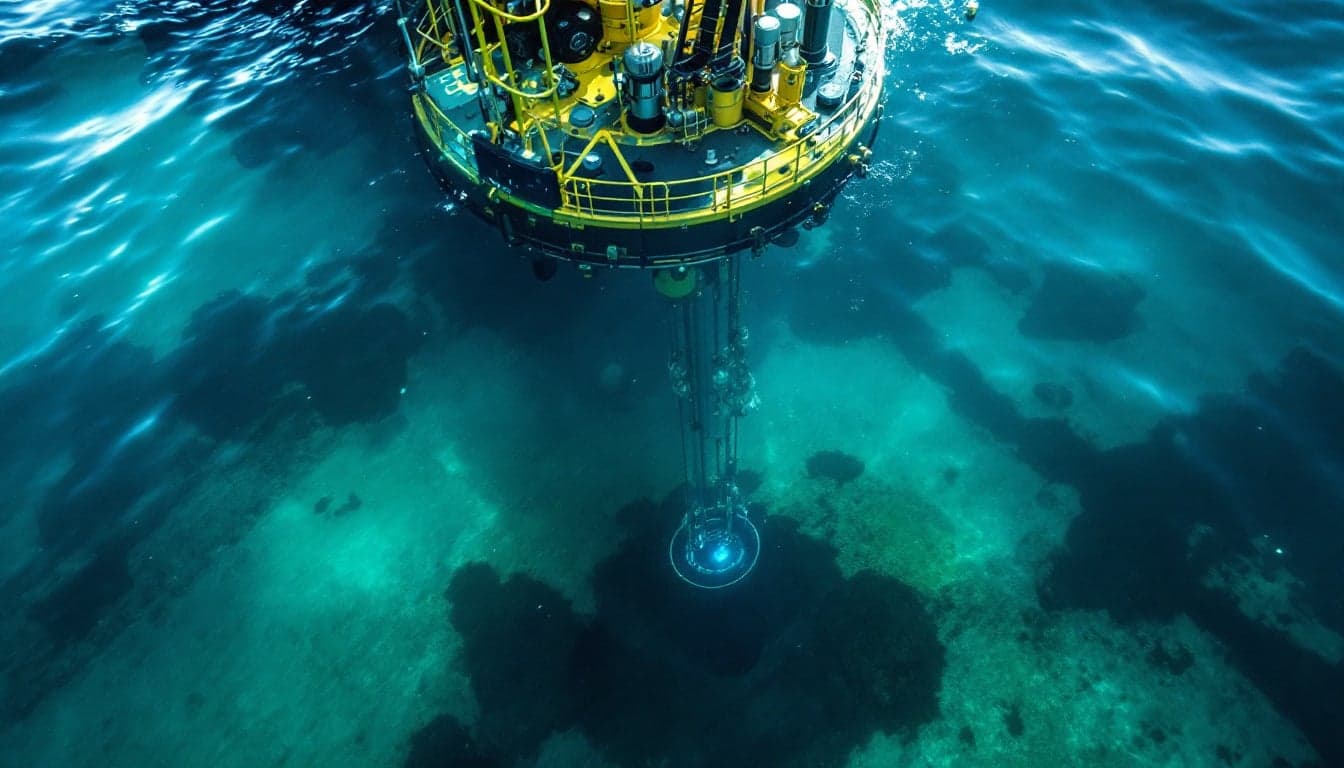
According to The Maritime Executive, Delfin Midstream and its investor group have reached a final investment decision (FID) to proceed with Delfin FLNG 1. The project is positioned to become the first floating LNG production facility based in the United States, and is also described as the world's largest FLNG unit. The FID marks the transition from development phase to execution, committing capital and contractor resources to the project's construction and deployment program.
The source article does not detail the specific capacity figures, project timeline, or the composition of the investor group beyond identifying Delfin Midstream as the lead developer. What the FID does confirm is that the project has secured sufficient financial backing to proceed — a threshold that many FLNG proposals in recent years have struggled to clear.
The announcement follows a period in which the global FLNG sector has seen a small number of projects advance while a larger pipeline of proposals remained in pre-FID limbo, constrained by financing complexity, offtake negotiations, and regulatory approvals.
WHY IT MATTERS
For Brazilian offshore professionals, the direct operational relevance of a US Gulf Coast FLNG project is limited. Brazil does not currently operate FLNG assets, and Petrobras's upstream monetization model for pre-sal gas remains centered on pipeline infrastructure, reinjection, and onshore processing via its integrated value chain. That said, the Delfin FID carries second-order significance that is worth unpacking.
The most immediate implication is on global LNG supply. A new FLNG unit of the scale described — particularly one described as the world's largest — represents a material addition to liquefaction capacity once it enters service. For Brazil, which has progressively expanded its LNG import terminal infrastructure to manage domestic gas supply gaps and seasonal demand variability, shifts in global LNG supply affect the pricing environment for regasification cargoes. More available LNG supply on the Atlantic Basin tends to exert downward pressure on spot prices, which is structurally favorable for Brazilian importers and power generators that rely on LNG-to-power capacity.
There is also a technology and project finance dimension worth noting. FLNG remains one of the more capital-intensive and technically complex asset classes in the offshore sector. Each project that reaches FID and advances through execution generates a body of engineering data, contracting precedent, and operational learning that the broader industry draws on. Brazil has periodically evaluated FLNG as a potential monetization pathway for stranded or remote gas accumulations — particularly in frontier basins where pipeline economics are challenging. The Delfin project's execution will add to the reference set that any future Brazilian FLNG feasibility study would consult.
The competitive positioning of US LNG in global markets is also relevant context for Brazilian energy planning. The United States has established itself as a leading LNG exporter, and projects like Delfin FLNG 1 — operating from offshore positions rather than fixed onshore terminals — represent a structural evolution in how that export capacity is being developed. Brazilian gas market participants and the Ministério de Minas e Energia will be monitoring whether this model accelerates US LNG volume growth in ways that affect long-term supply contract negotiations.
For Brazilian EPC and subsea contractors, the Delfin FID is a reminder that the global FLNG order book is beginning to move again after a period of relative inactivity. Companies with FLNG-relevant capabilities — mooring systems, flexible risers, subsea umbilicals, cryogenic equipment — may find that the international project pipeline is reopening opportunities that were deferred during the post-2014 downcycle. Brazilian industrial players with exposure to these segments will be tracking execution contracts as they are awarded.
Finally, the regulatory angle is worth a brief note. The Delfin project's advancement through US federal permitting and its achievement of FID in a complex regulatory environment offers a reference point for ANP and Brazilian policymakers who have been developing the regulatory framework for offshore gas monetization. How the US structured approvals for a novel offshore LNG configuration is information that regulators in other jurisdictions, including Brazil, tend to incorporate into their own framework development.
CONTEXT
The global FLNG sector has been defined by a small number of operating assets — most notably those deployed in Australian waters — and a much larger population of proposed projects that did not advance beyond pre-FEED or FEED stages. The Delfin FID, if it holds and execution proceeds on schedule, would add a new geography and a new scale benchmark to the operating fleet.
Brazil's own gas monetization agenda has accelerated in recent years, with ANP and the federal government pursuing measures to expand third-party access to gas infrastructure and reduce flaring in pre-sal operations. Whether FLNG ever enters the Brazilian toolkit in a meaningful way depends on a set of technical, commercial, and regulatory variables that remain unresolved — but each international FLNG project that reaches execution narrows the uncertainty around what the technology can deliver at scale.