EU's extraterritorial LNG ban reshapes Russian gas trade flows
Brussels is extending its Russian LNG restrictions beyond European ports — and the ripple effects reach commodity desks, shipping registries, and LNG buyers well outside Europe.
THE NEWS
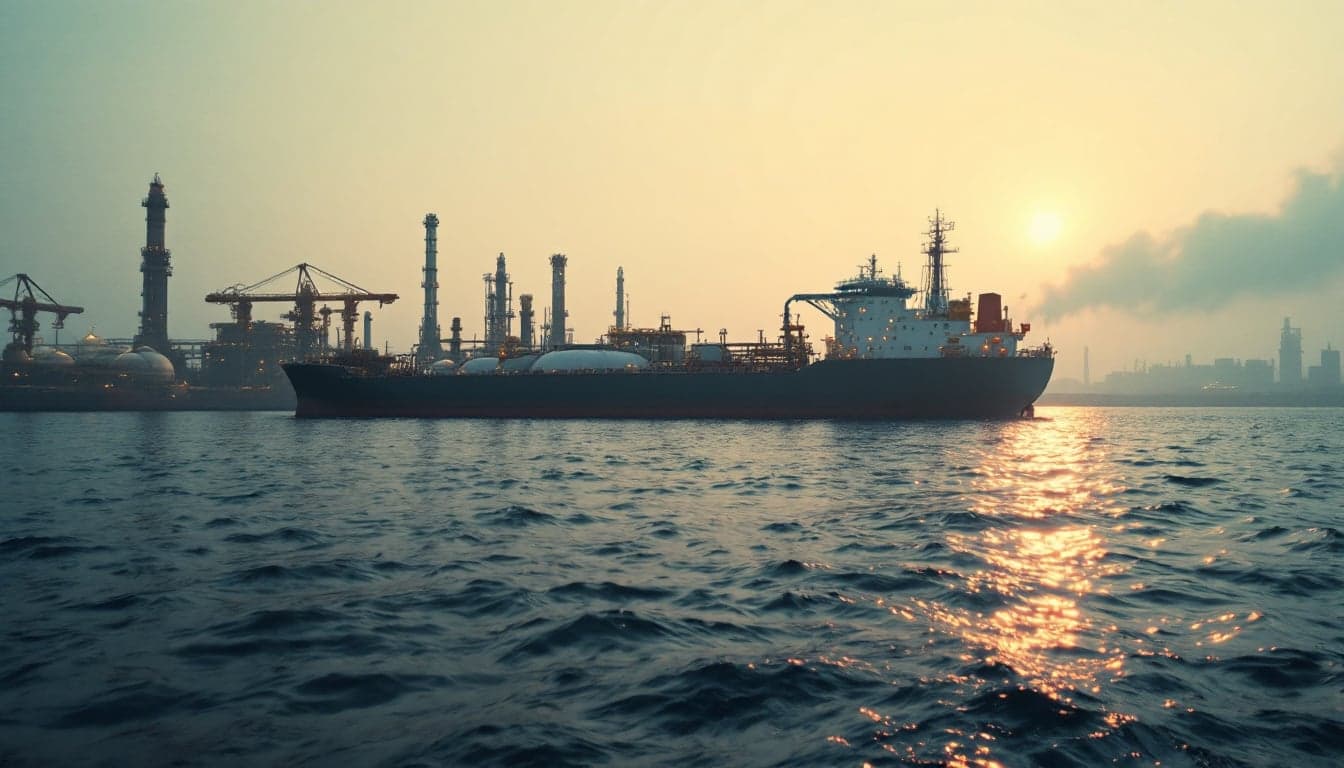
According to gCaptain, the European Union has clarified that its forthcoming ban on Russian liquefied natural gas is not limited to imports arriving at European terminals. The measure will prohibit EU-based operators — including shipowners, traders, and marketing entities — from participating in the transportation, trading, or marketing of Russian LNG anywhere in the world, regardless of the cargo's final destination.
The clarification signals a meaningful expansion in scope. What might have been read as a market-access restriction for European buyers is now understood as an operational prohibition that follows the EU operator, not the European port. A European-flagged or European-managed vessel carrying Yamal LNG to an Asian buyer would fall within the ban's reach under this reading.
The move carries significant implications for both the shipping sector and European energy companies with existing Russian LNG offtake arrangements, according to the publication.
WHY IT MATTERS
For Brazil, the immediate commercial exposure is limited — the country is not a significant importer of Russian LNG, and Petrobras does not hold material positions in Yamal-linked offtake contracts based on publicly available information. But the structural read of this development is more interesting than the headline suggests, and it touches several dimensions relevant to Brazilian offshore professionals.
The shipping dimension. European shipowners and ship managers have historically provided a substantial share of the technical and commercial infrastructure supporting LNG trade globally. If EU-flagged or EU-controlled tonnage is barred from Russian LNG cargoes on any trade route, the immediate question is who fills that gap. Brazilian operators and logistics planners who rely on LNG shipping capacity — whether for domestic regasification terminals or for bunkering operations — should monitor whether this restriction tightens available tonnage in Atlantic basin markets. A reduction in effective fleet capacity on specific trade lanes tends to redistribute freight costs across the broader market.
The commodity repricing effect. Russian LNG, particularly from the Yamal and Arctic LNG projects, has been a price-competitive option for buyers in Asia and parts of Latin America precisely because it moved through channels that European sanctions had not previously closed. If EU operators — including trading desks — are now prohibited from handling these cargoes globally, the arbitrage structures that allowed discounted Russian molecules to reach non-European markets become more constrained. This could modestly support global LNG spot prices, a dynamic that matters for Brazil both as a country with regasification capacity and as a nation whose state energy company holds LNG trading positions.
The extraterritoriality signal. The more structurally significant aspect of this clarification is its jurisdictional logic. Brussels is asserting that EU nationality of the operator — not the geography of the transaction — determines whether the restriction applies. This is a model that the offshore and maritime industries have seen applied before in U.S. sanctions architecture, but it represents a meaningful step for EU regulatory reach. For Brazilian companies that operate in joint ventures, consortia, or service contracts alongside European partners, understanding where EU-operator exposure begins and ends is now a compliance question worth revisiting with legal counsel. This is not hypothetical: European service companies, engineering firms, and equipment suppliers are deeply embedded in the Brazilian offshore supply chain.
The LNG supply positioning angle. Brazil has been gradually expanding its LNG import infrastructure and has engaged in discussions around floating storage and regasification units to manage domestic gas supply. In a market where Russian LNG is progressively removed from the accessible supply pool for European-linked counterparties, alternative LNG sources — including from the Americas and the Atlantic basin — become incrementally more competitive. Brazilian policymakers and Petrobras's gas and energy division may find this an environment in which domestic pre-salt gas monetization and Atlantic LNG supply positioning carry slightly improved commercial logic, though the scale of the EU restriction alone is unlikely to be a decisive variable.
The compliance burden for mixed-flag operations. Brazil's offshore sector operates with a complex mix of Brazilian, European, and international entities across operator, contractor, and subcontractor tiers. The EU ban's extraterritorial framing means that a European-headquartered subsea contractor or FPSO lessor with Brazilian operations could face internal compliance reviews touching their global LNG-related activities. While this does not directly affect drilling or production operations in the Santos or Campos basins, it adds a layer of regulatory complexity to the operating environment for multinationals active in Brazil.
CONTEXT
The EU's approach follows a pattern established more broadly in Western sanctions policy since 2022, where restrictions have progressively moved from import bans toward operational prohibitions targeting service providers, insurers, and shipowners. The shipping industry adapted to similar dynamics when P&I club coverage restrictions affected Russian crude tanker movements. LNG is now entering a comparable phase of that regulatory evolution.
For the Brazilian market, the relevant precedent is less about LNG specifically and more about how extraterritorial sanctions architecture affects the behavior of European counterparties operating in Brazil. Companies and regulators that tracked the implications of earlier maritime insurance restrictions will recognize the analytical framework — and the compliance discipline — that this kind of measure demands.
Source: GCAPTAIN