MacGregor expands motion-compensated equipment supply for Skywalker-class CSOVs
A new equipment order for four additional Skywalker-class vessels signals continued fleet growth in the offshore wind service sector — with implications for how Brazil watches this technology mature.
THE NEWS
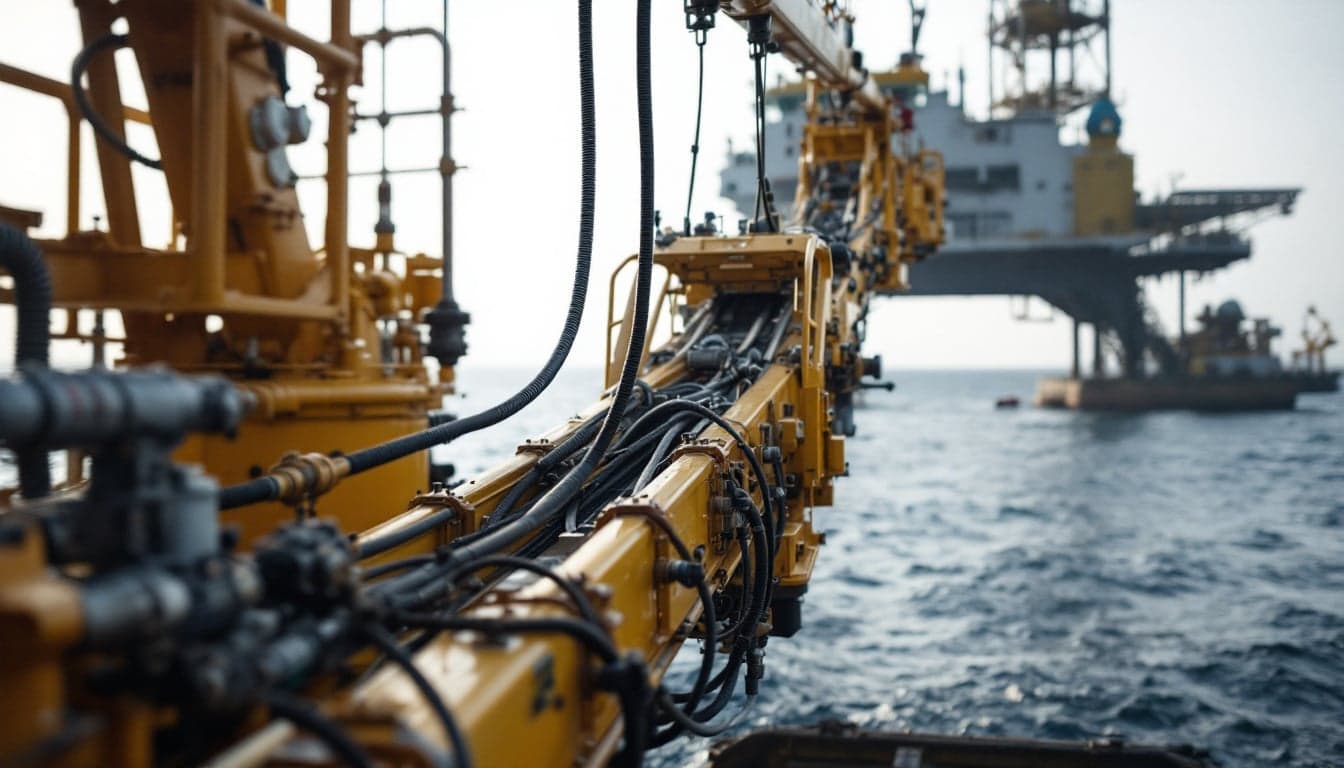
According to The Maritime Executive, MacGregor has received an order to equip four additional Skywalker-class Construction and Service Operation Vessels (CSOVs) with motion-compensated cranes and gangways. The order extends MacGregor's existing supply relationship with the Skywalker-class program, with the award described as building on demonstrated performance, reliability, and safety of the equipment already deployed on vessels of the same class.
The source description indicates this is an additive order — four vessels beyond those already contracted — though the full article content was not available for this review. The Skywalker-class designation refers to a recognized CSOV design, and MacGregor's role covers the motion-compensation systems that allow technicians to transfer safely between vessel and offshore structure in open-sea conditions.
No financial terms, delivery schedule, or end-operator details were disclosed in the available source material.
WHY IT MATTERS
For Brazilian offshore professionals, this news item sits at an instructive distance: the immediate market is offshore wind, predominantly in Northern European waters where CSOV operations are already mature. But the equipment category — motion-compensated gangways and cranes — is not wind-specific, and that is precisely the detail worth tracking.
Motion-compensated access and lifting systems address one of the persistent operational constraints in offshore work: the safe transfer of personnel and equipment between a vessel and a fixed or floating structure in sea states that would otherwise ground operations. In the pre-salt context, where FPSOs operate at significant distances from shore and crew transfer logistics carry both safety and schedule consequences, the maturation of this technology class is relevant regardless of which energy segment is driving the current procurement volume.
The Skywalker-class CSOV program represents a series of purpose-built vessels designed around the operational demands of offshore wind farm maintenance — regular crew rotations, equipment handling at turbine foundations, and extended station-keeping in variable sea conditions. What makes this order analytically interesting is not any single vessel but the fleet scale implied by repeated, additive orders for the same equipment configuration. When a supplier receives follow-on orders for an identical equipment package across multiple hulls, it typically reflects operator confidence in the system's in-service performance rather than purely commercial momentum. That distinction matters for procurement decision-makers evaluating whether a technology is still in validation or has crossed into proven-service territory.
For Brazilian operators and their supply chain, the relevant question is how quickly motion-compensated access technology migrates from the offshore wind sector — where it has been the primary demand driver — into broader offshore oil and gas applications. Petrobras and other operators active in Brazilian waters already use dynamic positioning and heave-compensated equipment across various vessel classes, but the gangway-based personnel transfer systems that define CSOV operations represent a more specialized capability. As Brazil's offshore wind licensing program develops and potential nearshore and offshore wind projects move toward execution, the vessel types and equipment standards being refined in European waters will eventually inform local specifications.
For Brazilian naval architects, classification society surveyors, and offshore vessel operators, the Skywalker-class program offers a live reference case: a vessel class accumulating operational hours with a consistent equipment package across multiple hulls. That kind of fleet-level data is valuable when evaluating equipment mean time between failures, maintenance intervals, and crew training requirements — parameters that matter as much in oil and gas service operations as in wind.
Supply chain considerations are also worth noting. MacGregor, as a Cargotec subsidiary, maintains a global service network. Brazilian operators and shipyards evaluating motion-compensated systems for local projects would be assessing not only the equipment specification but the availability of service support within Brazilian waters or within reasonable logistics reach. That infrastructure question is not answered by this order, but the continued expansion of MacGregor's installed base on a single vessel class does strengthen the argument for investment in localized service capability over time.
CONTEXT
The CSOV segment has grown substantially alongside the offshore wind installation and operations market, with several European yards and designers developing purpose-built hull forms to meet operator demand for vessels that can maintain station and provide safe access in the sea conditions typical of the North Sea and Baltic. The motion-compensated gangway, in particular, has become a defining piece of equipment for this vessel category — functionally analogous to what the heave-compensated crane represented for deepwater construction vessels a generation earlier.
Brazil's offshore wind regulatory framework remains at an earlier stage than its European counterparts, but the technical standards being established through programs like the Skywalker-class will likely serve as reference points when Brazilian regulators and operators formalize specifications for locally operating CSOVs. Monitoring which equipment configurations are accumulating the most operational track record internationally is, in that sense, a practical exercise for anyone involved in shaping those future specifications.