NYK adds SOV newbuild as shipping majors deepen offshore wind commitments
A Japanese shipping group's move into service operation vessels signals how traditional maritime players are repositioning toward offshore wind — a segment Brazil has yet to develop at scale.
THE NEWS
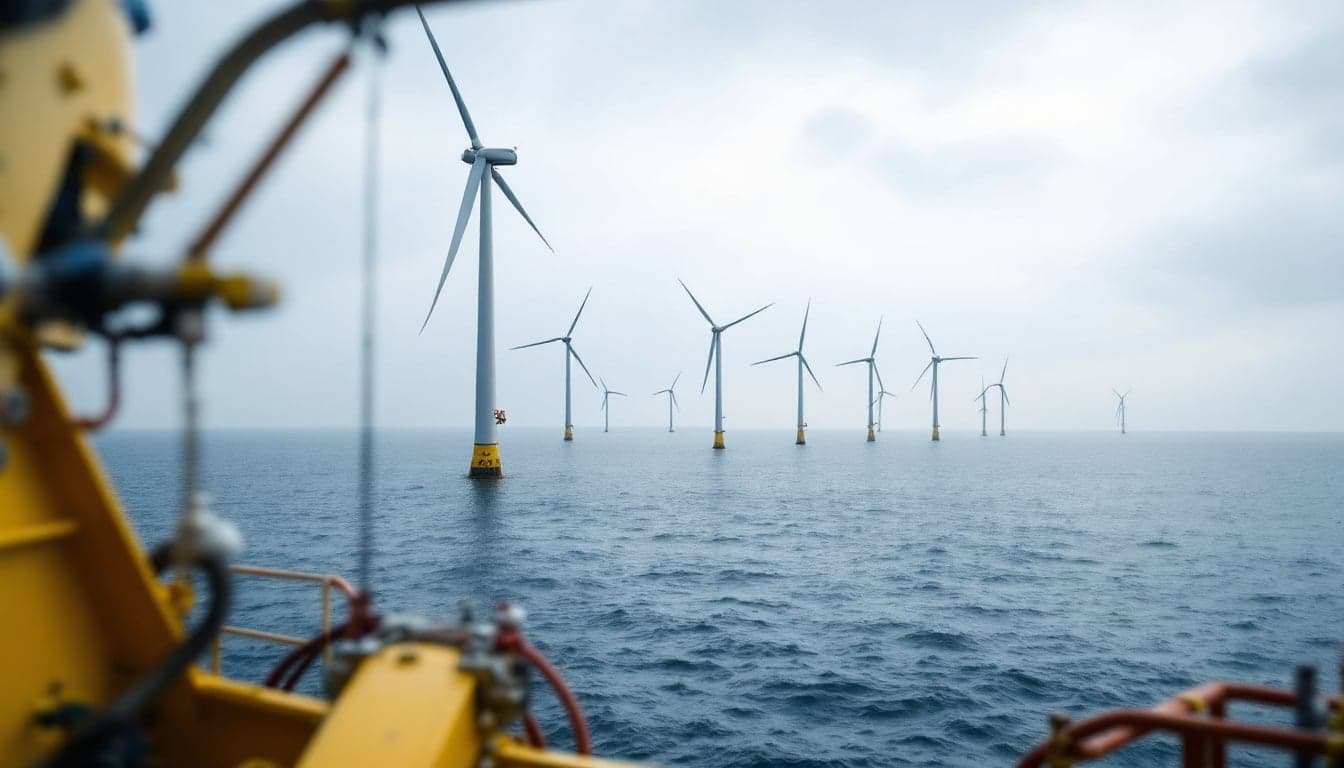
According to The Maritime Executive, NYK — a Japanese shipping group with established operations across dry bulk, tankers, and other maritime segments — is expanding its presence in the offshore wind power market through the order of a service operation vessel (SOV) newbuild. The move is described as part of a broader effort to strengthen the group's positioning in the offshore wind segment.
SOVs are purpose-built vessels designed to support the operation and maintenance of offshore wind farms, typically housing technicians and equipment for extended periods at sea. NYK's decision to commission a newbuild — rather than charter or acquire an existing unit — reflects a longer-term capital commitment to the sector.
Further operational or contractual details were not available in the source material at the time of publication.
WHY IT MATTERS
For readers primarily focused on Brazil's oil and gas offshore market, this item carries a low direct relevance score — and that framing is itself informative. Brazil's offshore wind sector remains at an early regulatory and commercial stage, meaning the vessel classes, supply chain structures, and operational models that are now being standardized in European and Asian markets have not yet taken root here in a meaningful way.
That gap is worth examining. SOVs represent a distinct vessel category from the platform supply vessels (PSVs), anchor handling tugs, and FPSOs that dominate Brazil's current offshore fleet. Their design logic is different: rather than supporting drilling or production, they are optimized for long-duration crew transfer and maintenance access to fixed or floating wind structures. As Brazil's offshore wind regulatory framework matures — with IBAMA licensing processes and ANP's evolving mandate for energy transition assets under discussion — the question of which vessel categories will eventually be required, and who will supply them, is not premature.
NYK's move is also representative of a broader pattern among large diversified shipping groups. Established players with deep capital bases and existing maritime operations are using offshore wind as a growth vector, deploying newbuild strategies to secure early positioning in a market where vessel availability has been a genuine constraint in more mature offshore wind regions. This is not a speculative bet from a fringe operator — it is a deliberate portfolio extension by a group with substantial existing maritime infrastructure.
For Brazilian maritime suppliers and shipyards, the strategic read here is one of lead time. The vessel types and operational competencies being developed in European and Asian offshore wind markets today are likely to inform what Brazil's own market will eventually require. Brazilian shipyards — several of which have navigated significant restructuring cycles — face a question of whether to begin tracking SOV design and construction requirements now, or to wait for domestic demand signals to crystallize. Both approaches carry distinct risk profiles.
For Petrobras and other Brazilian operators engaged in energy transition discussions, the NYK development is a data point in a longer argument about fleet planning. Brazil's pre-salt production base remains the dominant commercial priority, and the capital allocation logic there is well established. But as floating offshore wind (FOW) pilot programs are discussed at the regulatory level, the vessel support ecosystem — including SOVs — becomes a planning variable that operators and regulators will need to engage with eventually.
The broader implication is one of sequencing. Markets that are investing in SOV capacity now — whether through newbuilds, conversions, or long-term charters — are building operational knowledge that will compound over time. Brazil's offshore wind market, when it reaches commercial scale, will either draw on that accumulated international expertise through foreign-flagged vessels and operators, or it will have developed a domestic equivalent. The regulatory and content frameworks that govern that choice — including cabotage rules and local content requirements — are areas where Brazilian policymakers and industry associations are already engaged, even if offshore wind-specific vessel policy remains nascent.
CONTEXT
NYK's SOV order follows a pattern visible across several large Asian shipping groups, which have been methodically expanding into offshore wind support services as European markets — particularly in the North Sea and Baltic — have demonstrated sustained demand for specialized maintenance vessels. The SOV market has attracted attention in part because of vessel scarcity: the specialized nature of the design and the relatively small global orderbook have made newbuilds a more reliable supply strategy than spot chartering in active markets.
For Brazil, the more immediate offshore vessel dynamic remains concentrated around the pre-salt support fleet — PSVs, OSRVs, and AHTS units — where demand is tied directly to Petrobras's drilling and production schedule. The offshore wind vessel segment represents a parallel track that Brazilian maritime professionals would benefit from monitoring, even if the domestic commercial inflection point remains some years out.