OneSubsea secures Rovuma LNG subsea production systems contract from ExxonMobil
The award signals continued momentum for integrated subsea joint ventures in deepwater LNG — a model with growing relevance for Brazilian pre-sal development.
THE NEWS
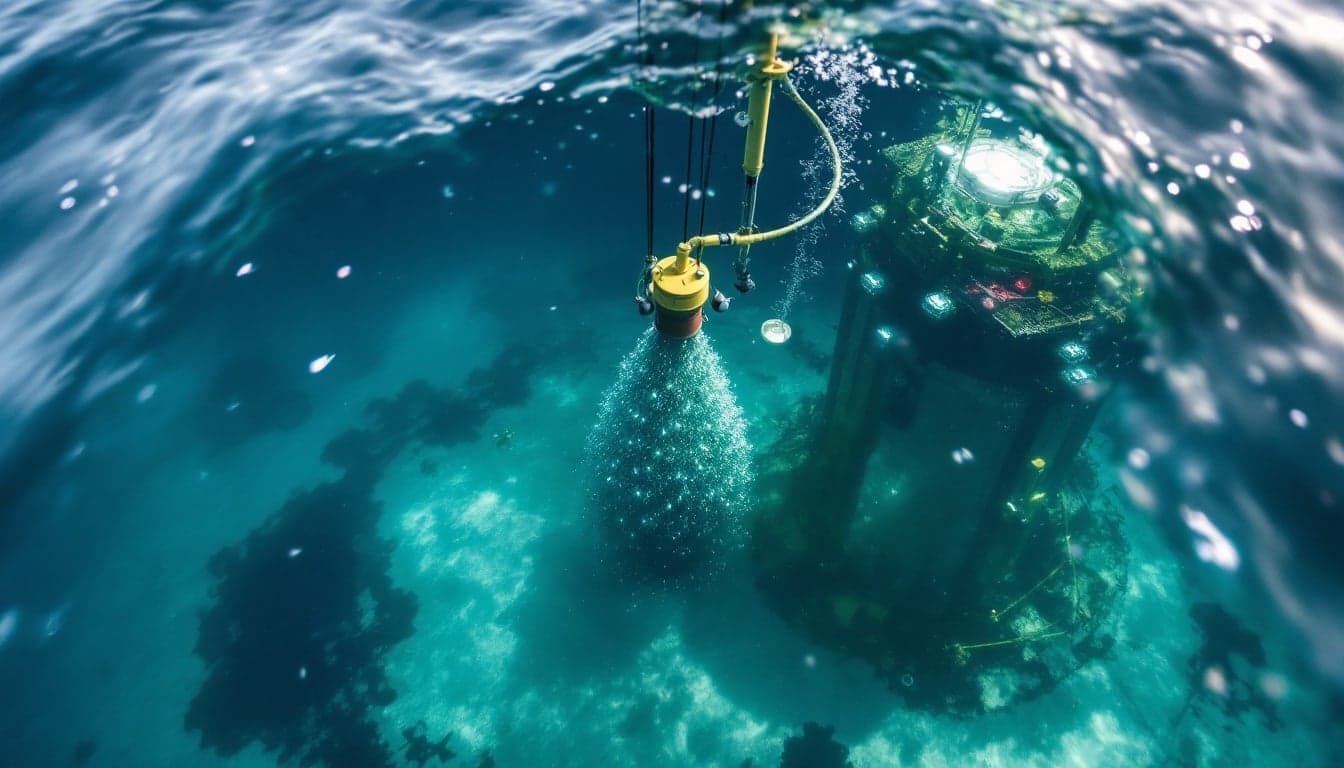
According to Offshore Engineer, ExxonMobil has awarded OneSubsea a contract to supply subsea production systems for the Rovuma LNG project. OneSubsea is a joint venture formed by SLB, Aker Solutions, and Subsea7. The scope covers the first phase of subsea production infrastructure for the development.
The award adds to OneSubsea's portfolio of deepwater LNG-adjacent projects and reflects ExxonMobil's decision to consolidate subsea supply within an integrated JV structure rather than managing separate equipment and services contracts independently.
The source article provides limited additional detail on contract value, delivery schedule, or specific equipment scope beyond the subsea production systems designation.
WHY IT MATTERS
For Brazilian offshore professionals, the Rovuma award is worth tracking for structural reasons that extend well beyond Mozambique's continental shelf.
The OneSubsea JV — combining SLB's controls and processing technology, Aker Solutions' subsea architecture experience, and Subsea7's installation and engineering depth — represents a model of vertical integration that compresses the interface between equipment design, project execution, and subsea installation. When an operator like ExxonMobil selects this structure for a complex deepwater LNG development, it signals a preference for reducing interface risk over maintaining competitive tension between separate equipment and services vendors. That is a meaningful strategic data point for any operator managing large-scale subsea scopes.
Petrobras, as the dominant operator in Brazilian deepwater, already works with each of the three OneSubsea constituent companies across its pre-sal portfolio — through various equipment supply, EPCI, and services arrangements. The consolidation of those capabilities into a single contracting entity, should OneSubsea pursue Brazilian work more aggressively, would alter the commercial dynamics of future subsea tenders. Brazilian suppliers and subcontractors who currently hold positions within separate SLB, Aker Solutions, or Subsea7 supply chains would need to understand how their relationships map onto the JV's procurement structure.
From a technology standpoint, subsea production systems for deepwater LNG projects share meaningful engineering overlap with the high-pressure, high-temperature environments characteristic of Brazilian pre-sal reservoirs. Lessons learned in equipment qualification, materials selection, and control system architecture from projects like Rovuma tend to migrate across basins over time, through personnel movement, technology licensing, and supplier standardization programs. Brazilian operators and their engineering teams benefit from monitoring how equipment specified for analogous environments performs in service.
The broader market context is also relevant. The OneSubsea JV structure — and the type of integrated award it is now receiving — reflects an industry-wide reconsideration of how operators allocate subsea capital and manage project interfaces. In Brazil, where Petrobras has historically maintained detailed in-house engineering oversight of subsea scopes, the question of how much integration to cede to a single JV counterparty remains an active one. The Rovuma award offers a reference case for how that trade-off can be structured in a major deepwater development.
For Brazilian service companies and local content stakeholders, the more immediate question is whether awards of this type — consolidated at the JV level internationally — create pressure on ANP's local content framework as it applies to subsea equipment and systems. If integrated JVs increasingly capture the full equipment-plus-engineering scope in a single contract awarded outside Brazil, the mechanisms by which local content obligations attach to individual equipment categories become more complex to administer and verify. This is not a new tension, but each high-profile international award to an integrated JV sharpens it.
CONTEXT
OneSubsea was established as a joint venture in 2023, bringing together the subsea production systems business of SLB with the subsea capabilities of Aker Solutions and Subsea7. The structure was designed explicitly to offer operators a more integrated alternative to managing equipment and installation contracts separately — a model that has attracted attention across the deepwater community since its formation.
Rovuma LNG is a large-scale natural gas development off the coast of Mozambique. ExxonMobil holds an interest in the project alongside other partners. The development has navigated a complex project history, and subsea contract awards of this nature represent a progression in its execution phase. The award to OneSubsea is consistent with a pattern of major operators consolidating subsea scopes with integrated providers on technically demanding deepwater projects.
Source: OFFSHORE ENGINEER