P-79 completes first offloading at Búzios, marking a production milestone
The FPSO's first cargo transfer signals that Búzios continues its steady capacity build-out — with implications for Brazil's pre-sal output trajectory.
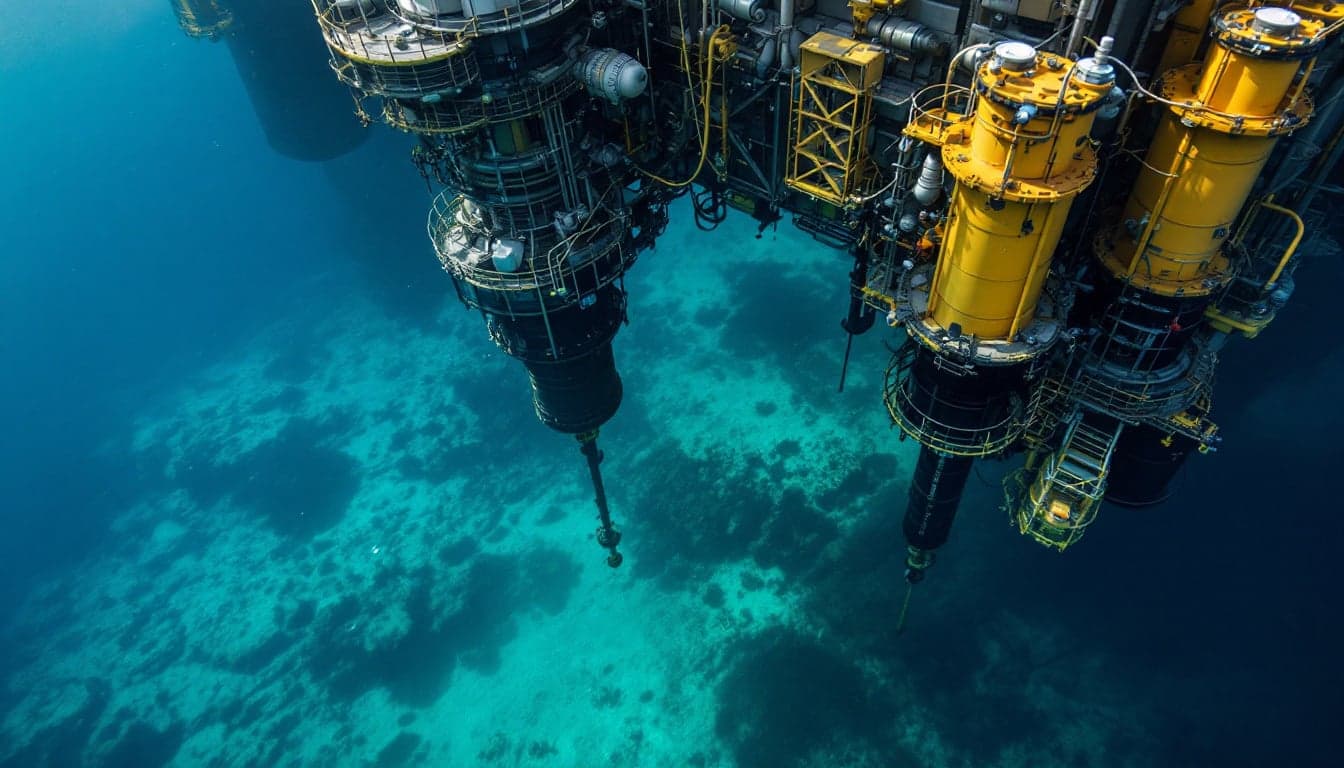
THE NEWS
According to Offshore Engineer, Petrobras' P-79 FPSO has completed its first oil offloading operation at the Búzios field, located offshore Brazil. The milestone follows the unit's entry into production at the field, one of the largest deepwater developments in the country's pre-sal cluster.
The first offloading represents the transition from initial production ramp-up to routine cargo transfer operations — a procedural threshold that confirms the unit is functioning within its intended production and storage cycle. No specific cargo volume or offloading date beyond the publication date of June 12 was disclosed in the report.
Búzios has been a central asset in Petrobras' upstream portfolio, with successive FPSO deployments expanding the field's installed production capacity over time. The P-79 is the latest unit to join that operational sequence.
WHY IT MATTERS
The completion of a first offloading is more than a logistical footnote. In FPSO operations, the interval between first oil and first offloading is a technically sensitive period: the unit is simultaneously managing well ramp-up, topsides commissioning, and storage management — all while operating in a deepwater environment with limited margin for process interruption. Reaching first offloading without a publicly reported incident is a meaningful operational indicator.
For Petrobras, the P-79 milestone reinforces the execution cadence at Búzios. The field has been developed through a phased FPSO deployment model, where each new unit adds incremental production capacity rather than restructuring the development concept wholesale. This approach distributes technical and financial risk across a longer timeline, but it also means that each individual FPSO startup carries weight for the field's aggregate output targets. A smooth ramp-up on the P-79 supports that model's internal logic.
From a Brazilian supply chain perspective, FPSO operations at scale generate sustained demand for a range of services: shuttle tanker logistics, subsea intervention support, crew rotation, topside maintenance, and inspection services. As P-79 transitions into steady-state operations, the associated service demand becomes more predictable — which matters for Brazilian suppliers and vessel operators calibrating their own capacity planning. The Búzios cluster, with multiple FPSOs operating in proximity, creates a concentration of activity that tends to favor suppliers with established local infrastructure and regulatory compliance.
For the ANP and Brazil's broader production accounting, each FPSO that completes its ramp-up phase contributes to the national output figures that underpin transfer-of-rights revenue projections and production-sharing settlement calculations. The P-79's operational status is therefore not only an upstream event — it feeds into the fiscal architecture that governs how pre-sal revenues are distributed between Petrobras, the federal government, and consortium partners. Regulators and analysts tracking Brazil's production curve will note the unit's transition to routine offloading as a confirmatory data point.
The Búzios development also carries strategic significance in the context of Brazil's medium-term production ambitions. The field is widely understood to be a primary driver of any meaningful increase in the country's offshore output over the coming years. Each FPSO that moves from commissioning into stable production narrows the gap between projected and realized capacity — a gap that has historically been a source of variance in Brazil's upstream forecasts. The P-79's first offloading does not close that gap on its own, but it reduces one source of uncertainty in the field's production profile.
It is also worth noting what the milestone does not yet tell us. First offloading confirms that the storage and transfer system is operational, but production plateau — the sustained output level that determines the unit's long-term contribution — typically takes additional months to achieve as well counts increase and reservoir management is optimized. Observers should treat first offloading as a necessary condition for full contribution, not a sufficient one.
CONTEXT
Búzios has been developed through successive FPSO deployments, each building on the subsea infrastructure established by earlier units. This sequential model has become a reference case for large-scale pre-sal development, and the operational experience accumulated across the field's FPSO fleet informs how Petrobras and its engineering teams approach each subsequent startup.
The broader pre-sal cluster continues to represent the structural foundation of Brazil's deepwater production base. As individual units like the P-79 complete their early operational milestones, the aggregate picture of Brazil's offshore capacity becomes clearer — and the operational data generated feeds back into planning cycles for future developments across the Santos Basin.
Source: OFFSHORE ENGINEER