Projectile strike near UAE coast adds pressure to Gulf shipping risk calculus
A vessel hit and set ablaze 13 nautical miles west of Al Jazeera signals that maritime security risks in the region remain active — with downstream effects on global crude logistics.
THE NEWS
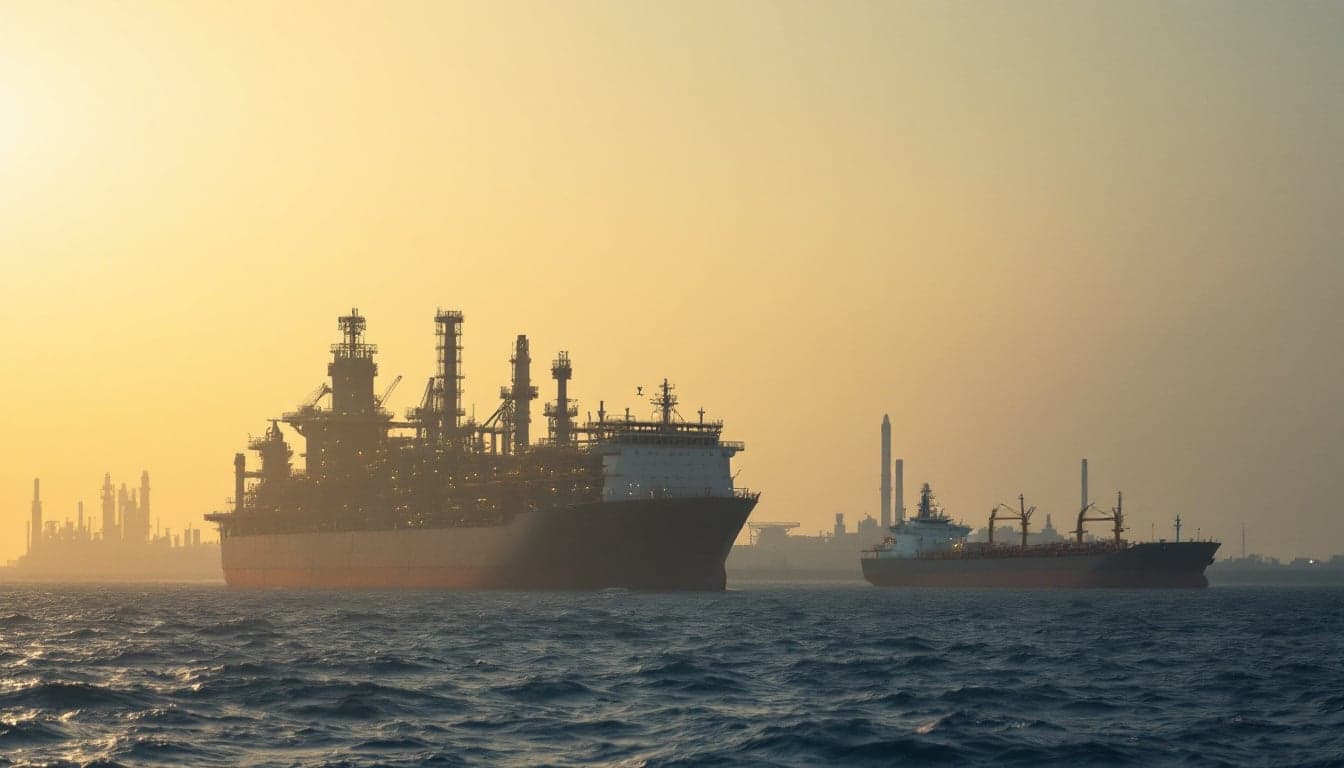
According to gCaptain, a vessel was struck by an unknown projectile approximately 13 nautical miles west of Al Jazeera in the United Arab Emirates, causing a fire that has since been extinguished. The British navy-affiliated agency UKMTO reported the incident, citing multiple sources. The report describes the event as part of a broader surge in attacks on commercial shipping in the region.
UKMTO did not identify the vessel by name, flag, or cargo type in the information available from the source. The nature of the projectile and the identity of any responsible party were also not confirmed in the reporting. No information on casualties was included in the source material.
The incident adds to a pattern of maritime security events that UKMTO has been tracking in the broader Gulf region, where commercial vessels have faced elevated threat levels over an extended period.
WHY IT MATTERS
For Brazilian offshore professionals, a strike on a commercial vessel near UAE waters may appear geographically distant — and operationally, it is. Brazil's producing basins in the Santos, Campos, and Espírito Santo regions operate in an entirely different maritime environment. But the Gulf's role as a critical node in global crude and LNG logistics means that sustained instability there transmits through freight markets, insurance pricing, and ultimately crude benchmarks in ways that reach every producing nation.
The most direct transmission mechanism is war risk insurance. Each confirmed attack in the region — regardless of vessel type or cargo — prompts underwriters to reassess exposure across the broader Gulf and Red Sea corridors. When war risk premiums rise for tankers transiting those routes, the cost uplift tends to be reflected in freight rates globally, including on routes relevant to Brazilian crude exports heading to Asian buyers. Petrobras and independent operators such as PRIO and Enauta route a meaningful share of pre-sal output toward East Asian refiners; any structural increase in tanker operating costs on those trade lanes affects netback economics, even if the vessels themselves never approach the Gulf.
There is also a vessel availability dimension. When operators and charterers reroute tonnage to avoid high-risk corridors — or when vessels are temporarily taken out of service for damage assessment and repair — effective fleet utilization tightens. A tighter tanker market benefits Brazilian export economics in the short term through higher spot rates, but it also raises the cost of importing refined products, a consideration that remains relevant given Brazil's ongoing dependence on diesel and naphtha imports for domestic consumption and upstream operations.
For Brazilian offshore support and logistics operators, the more immediate question is whether the current risk environment accelerates conversations about fleet repositioning and insurance structuring. Brazilian-flagged or Brazilian-operated support vessels do not typically transit the Gulf, but parent companies and joint venture partners with exposure to that region may face capital allocation decisions that ripple into their Brazilian operations. An operator managing elevated insurance costs on one regional portfolio may apply tighter scrutiny to discretionary spending elsewhere.
From a regulatory and operational planning standpoint, events like this one also reinforce the value of Brazil's relatively stable maritime operating environment as a competitive attribute. The Brazilian offshore sector operates under ANP oversight in waters where the primary operational risks are technical and meteorological rather than security-related. That distinction has become more commercially salient as investors and insurers price geopolitical risk into project economics globally. Brazilian blocks, particularly in the pre-sal polygon, carry a security risk profile that compares favorably with producing regions exposed to active maritime threat environments — a factor that informs long-term capital allocation decisions by international operators active in the country.
The UKMTO report's framing of this incident within a "surge in attacks" is also analytically significant. A single isolated event has limited systemic weight; a pattern of events in a concentrated corridor changes the risk calculus for insurers, flag states, and vessel operators in a more durable way. Whether the current surge proves temporary or reflects a structural shift in the threat environment will determine how much of the current freight and insurance premium uplift becomes embedded in long-run cost structures.
CONTEXT
UKMTO has been issuing elevated advisory notices for Gulf and Red Sea shipping corridors for an extended period, reflecting a broader deterioration in maritime security across multiple chokepoints. The organization operates as an early-warning and coordination mechanism for commercial shipping, and its public advisories carry operational weight for vessel operators, P&I clubs, and war risk underwriters.
For Brazil, the relevant precedent is how previous periods of Gulf shipping disruption — including earlier tanker incidents in the Strait of Hormuz — eventually fed through into freight rate volatility and insurance cost adjustments that affected the economics of crude export logistics. The current episode fits within that established pattern, and Brazilian operators with active export programs are well-positioned to monitor its development through standard freight and insurance market intelligence channels.
Source: GCAPTAIN