TGS secures European offshore wind site characterization contract
The Ramform Vanguard's deployment signals continued demand for pre-construction data services in offshore wind — a market Brazil is only beginning to regulate.
THE NEWS
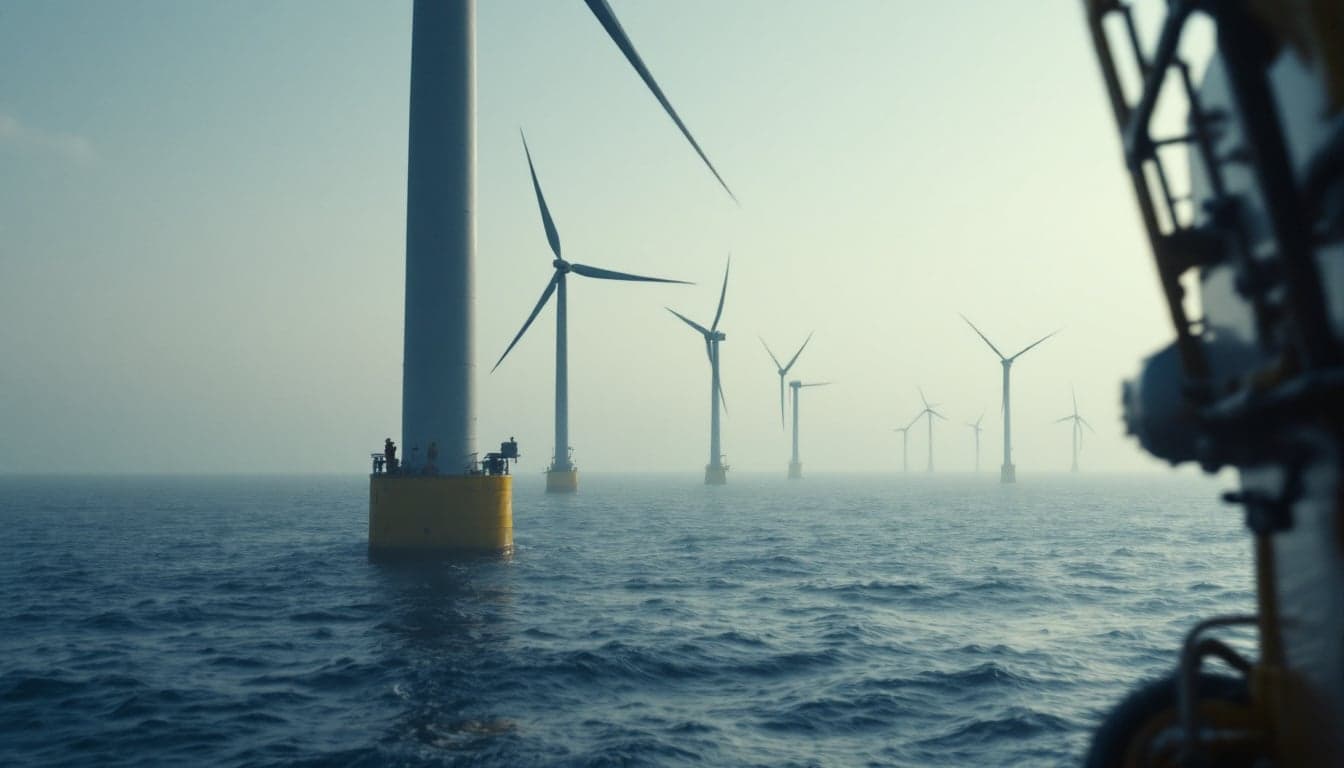
According to Offshore Engineer, energy data and intelligence company TGS has secured an offshore wind site characterization contract in Europe. The Ramform Vanguard, a vessel associated with the campaign, is scheduled to begin data acquisition in early August.
The scope of the contract centers on site characterization — the geophysical and geotechnical survey work that precedes any final investment decision on an offshore wind development. No further details regarding the client, the specific location within Europe, or the contract value were disclosed in the available reporting.
WHY IT MATTERS
Site characterization is not a peripheral service in offshore wind development — it is a critical-path activity. Before a developer can commit capital to turbine foundations, array cables, or export infrastructure, it needs a detailed picture of seabed conditions, sub-bottom stratigraphy, metocean data, and potential geohazards. The award to TGS reflects the sustained pipeline of pre-construction activity across European waters, where several national programs remain in active development phases.
For Brazilian offshore professionals, the more instructive dimension of this contract is structural rather than geographic. Brazil's offshore wind regulatory framework is still being assembled. IBAMA, ANEEL, and the federal government have been working through the licensing and authorization architecture for fixed and floating offshore wind, and the country's first utility-scale projects remain in early-stage development. What TGS is executing in Europe today represents the kind of work that will eventually need to be performed in Brazilian waters — and the question of who performs it, under what regulatory conditions, and with what local content requirements is still open.
The Ramform hull form — a distinctive fan-shaped vessel design associated with high-capacity seismic and survey operations — is well known in Brazilian waters through its use in pre-salt exploration campaigns. The operational familiarity that Brazilian regulators, port agents, and marine coordinators have with this class of vessel is a non-trivial factor when considering how the offshore wind survey market might develop domestically. Vessel mobilization logistics, port infrastructure, and crew certification pathways are all areas where existing oil and gas experience translates directly.
Brazilian geophysical and survey service companies, many of which built their capabilities servicing Petrobras and independent operators in the Santos and Campos basins, are positioned to monitor how the European offshore wind site characterization market is structured — in terms of data standards, deliverable specifications, and integration with permitting workflows. The European experience offers a reference model, even if Brazilian metocean and geotechnical conditions differ substantially from the North Sea or Atlantic European shelf.
The low direct relevance of this specific contract to Brazil should not obscure a medium-term dynamic: as Brazilian offshore wind acreage is eventually tendered and licensed, the demand for exactly this category of service will emerge. Companies with established offshore survey capabilities — whether international players like TGS or domestic survey operators — will need to have thought through their positioning well before that demand materializes. Site characterization campaigns have long lead times for vessel scheduling, equipment mobilization, and data processing capacity.
CONTEXT
TGS has historically been associated with seismic data libraries and multi-client survey programs in oil and gas basins globally, including Brazil. Its activity in offshore wind site characterization reflects a broader pattern among energy data companies of extending existing technical competencies into the renewables sector, where the underlying geophysical and survey disciplines are closely related to those used in hydrocarbon exploration.
The European offshore wind market continues to generate a consistent flow of pre-construction survey contracts as developers advance projects through regulatory and financing milestones. That pipeline provides a visible proxy for the kind of activity Brazil's offshore wind sector may eventually sustain — though the timeline and scale will depend heavily on how the domestic regulatory and licensing framework develops.
Source: OFFSHORE ENGINEER