UK sanctions on Arctic LNG 2 tankers tighten the shadow fleet squeeze
Britain becomes the first G7 nation to target the newest vessels serving Russia's sanctioned Arctic LNG 2 project — a signal that the enforcement perimeter is expanding.
THE NEWS
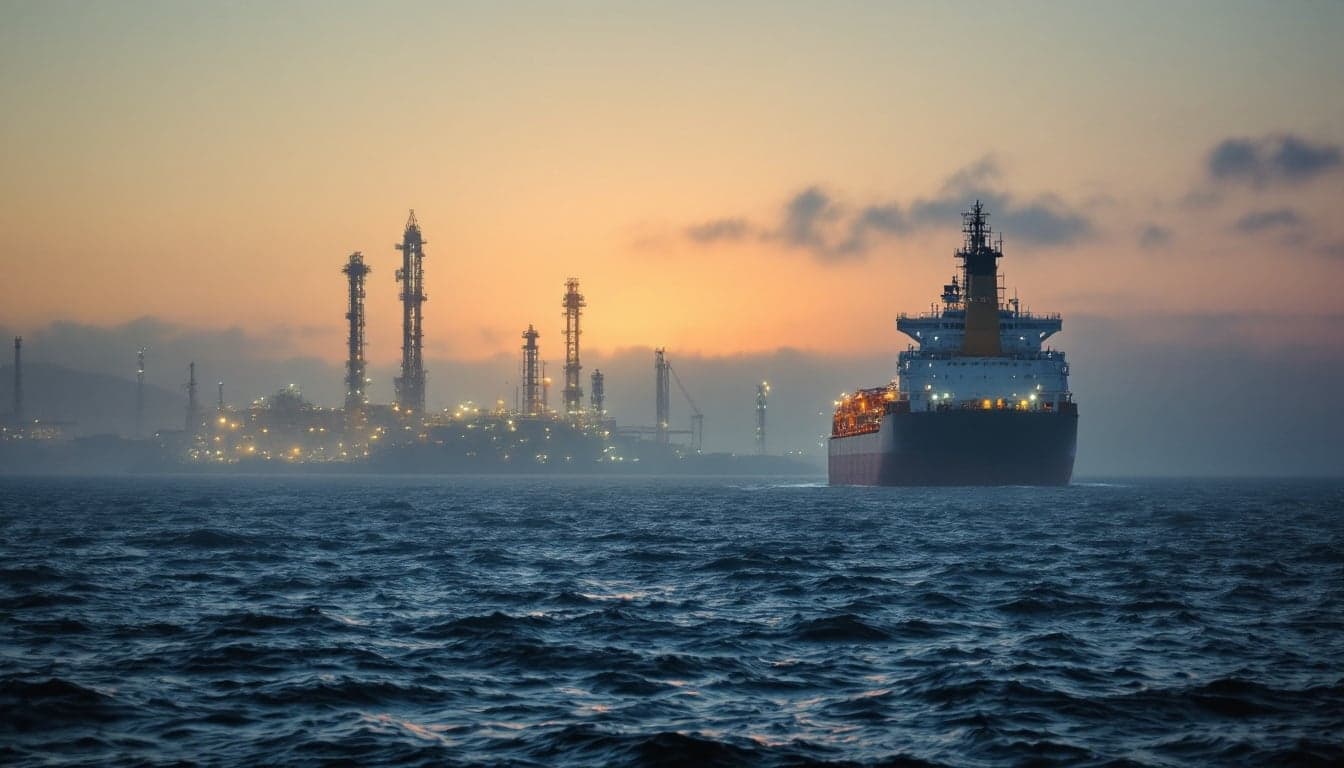
According to gCaptain, the United Kingdom imposed sanctions on four liquefied natural gas carriers linked to Russia's Arctic LNG 2 project. The action makes Britain the first G7 country to specifically target this latest set of vessels, which were acquired to expand export capacity from the already-sanctioned Arctic development.
The four tankers are described as part of a broader effort by Russia to assemble an alternative shipping network — commonly referred to in the industry as a shadow fleet — capable of moving Arctic LNG 2 cargoes around existing Western restrictions. The UK move signals that Western governments are actively tracking and responding to each successive vessel acquisition as it occurs.
The Arctic LNG 2 project, operated by Novatek, has been under significant Western sanctions pressure since late 2023. Russia has been working to sustain the project's export logistics by sourcing tonnage outside the reach of sanctioned entities, and this latest UK designation targets what appear to be the most recently added vessels in that effort.
WHY IT MATTERS
For Brazilian offshore professionals, the immediate operational relevance of a UK sanctions designation on Russian LNG tankers may not be obvious. The structural read, however, is more significant than the headline suggests — and it operates on at least three levels.
First, the sanctions escalation reinforces the fragmentation of global LNG shipping into distinct, compliance-defined corridors. As more vessels become designated or associated with sanctioned trade, the pool of tonnage available for non-sanctioned LNG trade tightens at the margin. Brazil is not yet a major LNG exporter, but Petrobras and independent players are actively evaluating LNG monetization pathways for pre-sal gas — particularly for stranded or associated gas volumes that cannot be economically reinjected indefinitely. A tighter global LNG shipping market, even one driven by geopolitical enforcement rather than pure demand, is a variable that Brazilian project economics will need to account for.
Second, the shadow fleet dynamic has direct implications for marine insurance, port access, and flag-state compliance — all of which are live concerns for Brazilian operators managing their own vessel fleets and supply chains. Brazilian flagged or Brazilian-chartered vessels that inadvertently interact with sanctioned tonnage face exposure under correspondent banking and P&I club rules. The UK's move, as a G7 first mover on this specific vessel class, is likely to prompt parallel reviews by other jurisdictions. Brazilian maritime operators and their legal teams should treat this as an evolving compliance boundary, not a static one.
Third, the geopolitical compression of Russian LNG supply has a secondary effect on global spot pricing that is relevant to Brazil's own energy import exposure. Brazil imports LNG to supplement domestic gas supply during periods of low hydro reservoir levels. To the extent that Arctic LNG 2 volumes remain constrained — whether by sanctions, logistics disruption, or both — the structural floor under global LNG spot prices is somewhat elevated compared to a fully unconstrained supply scenario. This is not a dramatic shift, but it is a persistent background condition that Brazilian gas traders and power sector planners are already pricing into their models.
The UK's designation also carries a signaling function that extends beyond the four specific vessels. By moving first among G7 partners on this latest cohort of shadow fleet tankers, London is demonstrating that sanctions enforcement is designed to be adaptive — tracking vessel acquisitions in near real-time rather than responding only to major project milestones. This approach, if replicated by the EU and the United States, would substantially increase the operational friction for any project attempting to build a parallel logistics chain outside the Western compliance perimeter. Arctic LNG 2 is the current case study, but the enforcement architecture being built here is applicable to any future scenario where a major hydrocarbon project seeks to route around Western financial and shipping infrastructure.
For Brazilian regulators at the ANP and at the Marinha do Brasil, the shadow fleet phenomenon is worth monitoring as a precedent-setting exercise in how flag states, port states, and sanctions authorities are collectively redefining the boundaries of legitimate vessel operation. Brazil has its own complex relationship with vessel flagging, cabotage rules, and the use of foreign-flagged support vessels in its EEZ. The legal and reputational frameworks being stress-tested in the Arctic LNG 2 context will eventually inform how multilateral bodies approach vessel compliance more broadly.
CONTEXT
The Arctic LNG 2 project has been subject to US, EU, and UK sanctions since the end of 2023, following Russia's continued military operations in Ukraine. Novatek, the project's operator, has been navigating these restrictions by seeking alternative financing, construction, and now shipping arrangements. The shadow fleet concept — loosely defined as vessels operating outside the mainstream Western insurance and compliance ecosystem — first gained wide attention in the context of Russian crude oil exports following the G7 price cap mechanism, and has since extended to LNG logistics.
Brazil's LNG import infrastructure, centered on regasification terminals in the Northeast and Southeast, sources cargoes from a range of global suppliers. The country's exposure to LNG market tightness is real but manageable given current domestic gas production levels. The more forward-looking concern is how Brazil positions its own future LNG export projects — whether from pre-sal associated gas or dedicated developments — in a global shipping market that is increasingly segmented by compliance architecture.
Source: GCAPTAIN