Ultra-deepwater frontier opens in Papua New Guinea's Gulf of Papua
TotalEnergies and Petronas launch what is described as the country's first ultra-deepwater exploration well — a reminder that frontier basins still attract major capital.
THE NEWS
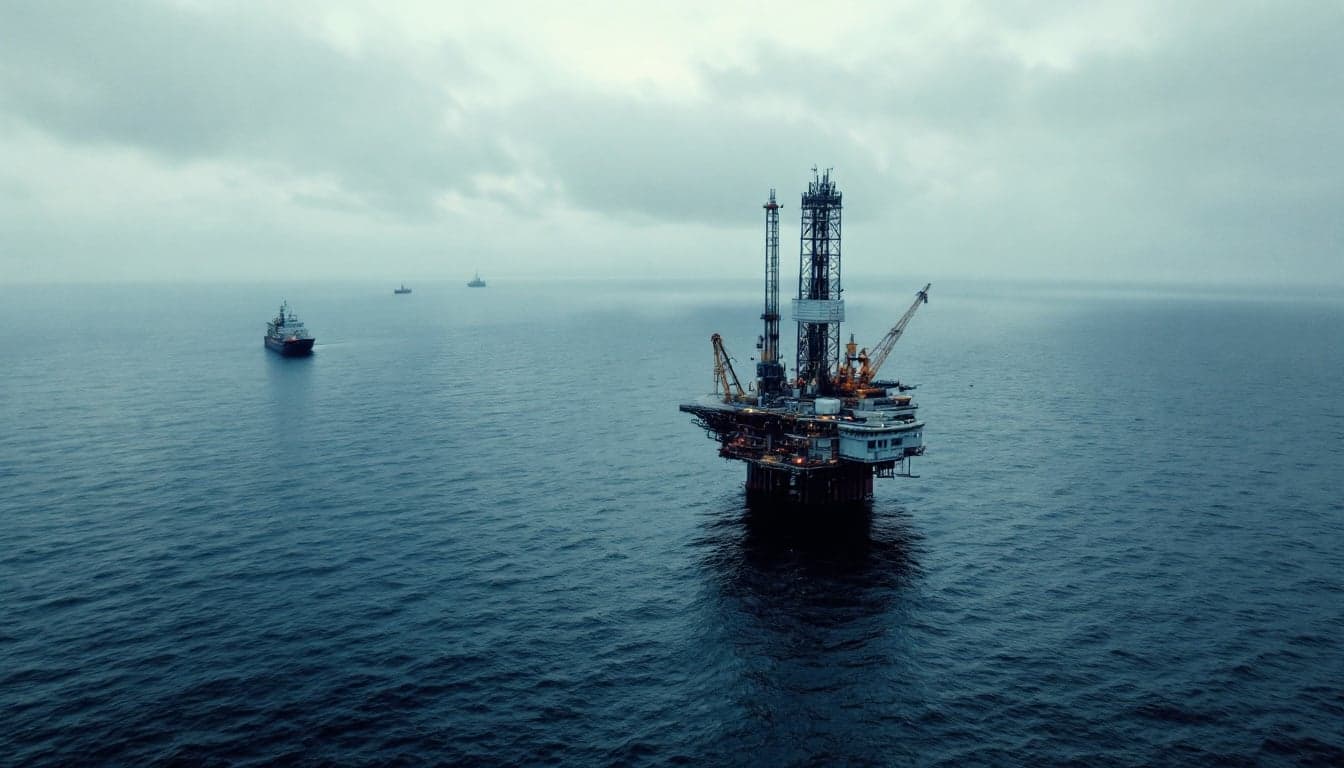
According to Offshore Energy, TotalEnergies and Petronas have commenced a multimillion-dollar oil and gas exploration campaign off the coast of Papua New Guinea. The two companies are reported to be drilling what is described as the country's first ultra-deepwater exploration well in the Gulf of Papua.
The campaign is characterised by both operators as a 'major' exploration effort, signalling a meaningful commitment of capital and technical resources to a basin that has seen limited ultra-deepwater activity to date.
No further details on well depth, target formation, or contracted drilling unit have been disclosed in the available reporting.
WHY IT MATTERS
For readers focused on Brazil, the direct operational relevance of a single exploration well in Papua New Guinea is limited. Brazilian relevance here is structural rather than transactional: what this campaign illustrates is that TotalEnergies continues to allocate exploration capital across multiple frontier basins simultaneously, and that Petronas is expanding its deepwater footprint beyond its traditional Southeast Asian base.
That dual dynamic is worth tracking from a Brazilian perspective for at least two reasons. First, TotalEnergies is an active participant in Brazilian pre-salt acreage, and its appetite for frontier exploration globally reflects a corporate posture that values high-impact wildcats alongside production-stage assets. When a major operator demonstrates willingness to commit multimillion-dollar budgets to a basin with no prior ultra-deepwater drilling history, it reinforces that the exploration cycle has not contracted to a purely development-focused mode — a signal relevant to ANP's upcoming licensing rounds.
Second, Petronas's involvement in ultra-deepwater frontier work outside its home region is consistent with a broader internationalisation strategy that has brought the company into Latin American waters in the past. Brazilian operators and regulators have reason to monitor how international NOCs allocate deepwater exploration budgets, as those allocation decisions shape the competitive field for future block auctions.
The Gulf of Papua campaign also highlights a technical threshold that carries weight in any deepwater context: the designation 'ultra-deepwater' implies water depths generally exceeding 1,500 metres, the same operational envelope that defines much of Brazil's pre-salt province. Any well drilled in that envelope — regardless of geography — generates subsurface data, operational learning, and supply chain demand that eventually circulates through the global deepwater ecosystem. Drilling contractors, subsea equipment suppliers, and well services companies that support this campaign are, in many cases, the same pool of vendors active in the Santos and Campos basins.
From a market-structure standpoint, the campaign is a useful data point on frontier risk appetite among majors and large NOCs at a moment when capital discipline narratives have dominated industry commentary. The decision to proceed with a first-of-kind ultra-deepwater well in a frontier jurisdiction suggests that both TotalEnergies and Petronas maintain exploration programmes that can absorb high geological uncertainty — a posture that Brazilian independents and Petrobras's own exploration teams will note as they calibrate their own frontier ambitions in under-explored Brazilian basins such as the equatorial margin.
The equatorial margin parallel is the most analytically productive connection here. Brazil's equatorial margin — stretching from Amapá to Rio Grande do Norte — has been the subject of regulatory and environmental licensing debate, with Petrobras and partners seeking to advance exploration in a basin that shares some frontier characteristics with the Gulf of Papua: limited ultra-deepwater drilling history, significant geological prospectivity arguments, and operational complexity. The willingness of TotalEnergies and Petronas to commit capital to a comparable frontier context does not resolve Brazil's specific licensing questions, but it does demonstrate that international appetite for this class of exploration asset remains active.
CONTEXT
Papua New Guinea has an established LNG sector anchored by onshore and shallow-water gas resources, but ultra-deepwater oil exploration in the Gulf of Papua represents a distinct technical and commercial frontier. The involvement of TotalEnergies — which has deepwater operational experience across multiple basins — and Petronas — which has developed significant technical deepwater capability through its own domestic operations — positions this campaign with operators that carry relevant analogues.
For the Brazilian offshore supply chain, the broader pattern is familiar: when major operators commit to frontier ultra-deepwater campaigns in any geography, it sustains demand for the specialised vessels, equipment, and engineering capacity that Brazil's own offshore expansion also depends upon. Monitoring how this campaign progresses, and what results it yields, is therefore of more than passing interest to anyone tracking the global deepwater investment cycle.