US-China LNG tariff talks signal a shift in global gas trade flows
Negotiations to reduce Chinese tariffs on American LNG could redraw supply routes — with indirect but real consequences for Brazil's own gas positioning.
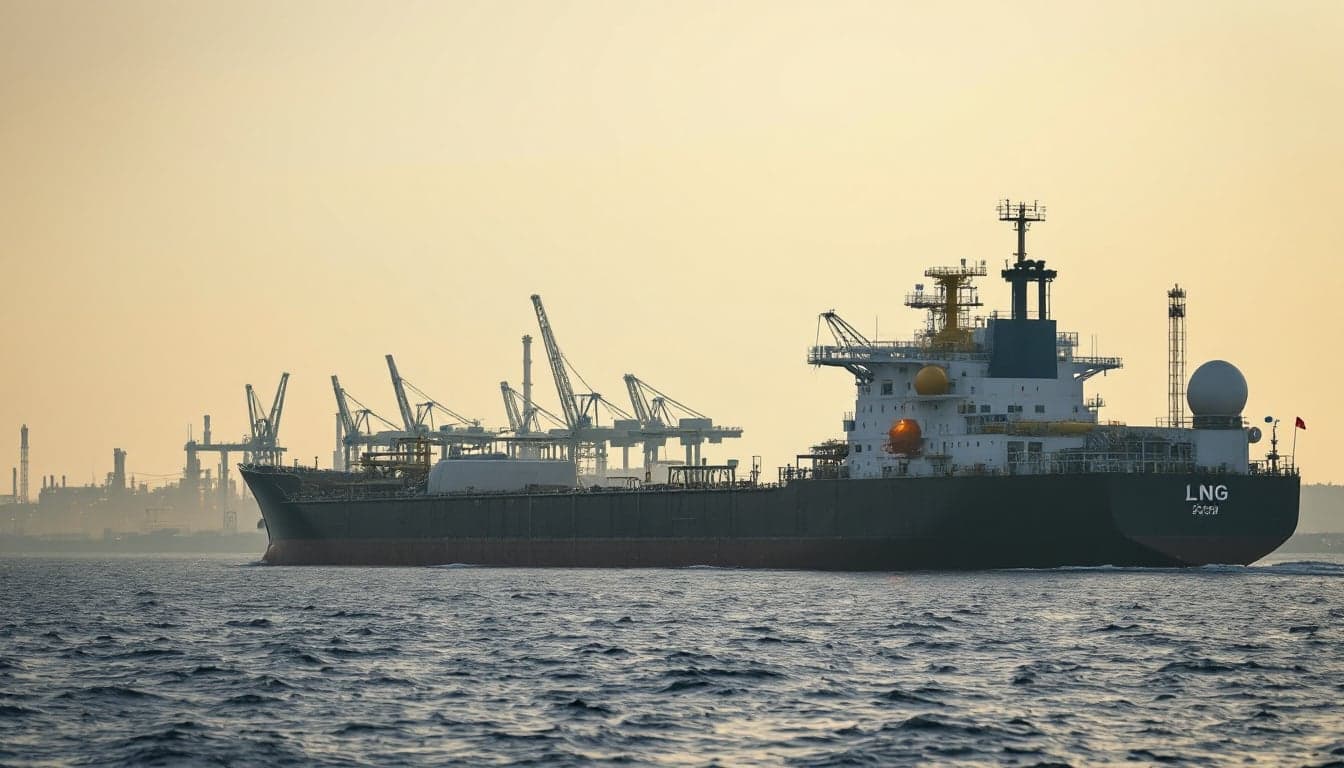
THE NEWS
According to gCaptain, the United States and China are in discussions to reduce or eliminate Chinese tariffs on American LNG, with the measure forming part of a broader energy package under consideration ahead of a high-level diplomatic engagement. The talks reflect a renewed willingness on both sides to use energy trade as a lever in the wider bilateral relationship.
The negotiations, reported by Reuters on September 18, come at a moment when global LNG markets remain sensitive to geopolitical signals. Any formal agreement would represent a meaningful adjustment to the tariff structure that has weighed on US LNG exports to China since trade tensions escalated in prior years.
No final agreement has been confirmed, and the scope and timeline of any tariff reduction remain subject to the outcome of broader diplomatic discussions.
WHY IT MATTERS
For Brazilian offshore professionals, a story about US-China LNG tariffs might appear to sit at the periphery of operational concerns. The structural read, however, is more consequential than the headline suggests.
Brazil is not a major LNG exporter today, but that position is actively under review. Petrobras and its consortium partners have been evaluating floating LNG options and gas monetization strategies tied to pre-salt reservoirs where associated gas volumes are substantial. The competitive landscape for any future Brazilian LNG — whether piped, re-injected, or liquefied — is shaped directly by where American and Qatari molecules flow. If US LNG regains meaningful access to the Chinese market, that redirects volumes that have been finding alternative buyers elsewhere, including in markets that Brazilian gas might one day target.
The second-order effect concerns spot market pricing. A sustained realignment of US LNG toward China — historically one of the largest and fastest-growing import markets — would tighten Atlantic Basin supply availability for European buyers. Europe's continued appetite for non-Russian gas has been one of the structural supports underpinning LNG project economics globally. Any compression of that dynamic affects the price signals that inform final investment decisions on new liquefaction capacity, including any projects with Brazilian feedgas.
There is also a supply-chain and shipping dimension relevant to Brazilian operators. LNG carrier utilization rates and freight economics respond to trade route geometry. A reorientation of US Gulf Coast cargoes toward Pacific Basin destinations lengthens average voyage distances, which tends to support tanker demand and day rates across the broader LNG shipping fleet. Brazilian regasification terminals — which depend on imported LNG to supplement domestic gas supply in periods of hydroelectric shortfall — source cargoes competitively from the spot market. Tighter vessel availability or repriced freight can translate into higher landed costs for Brazilian industrial and power consumers.
From a regulatory and strategic planning standpoint, the ANP and the Ministry of Mines and Energy have a direct interest in monitoring how this negotiation resolves. Brazil's domestic gas market liberalization, still in progress, is premised in part on the assumption that LNG imports will serve as a competitive backstop to pipeline gas pricing. If global LNG trade routes consolidate in ways that reduce spot cargo availability or elevate delivered prices to Brazilian terminals, that assumption warrants revisiting in regulatory modeling.
Finally, the geopolitical framing of this negotiation — energy as a diplomatic instrument between the two largest economies — is a pattern Brazilian policymakers have observed closely. Brazil's own energy diplomacy, particularly around pre-salt resources and South Atlantic gas infrastructure, operates in a world where commodity trade and strategic relationships are increasingly intertwined. The US-China dynamic does not dictate Brazilian choices, but it does define the external environment within which those choices are made.
CONTEXT
US LNG exports to China declined sharply after tariffs were imposed as part of broader trade measures, with American producers redirecting volumes to European and other Asian buyers. That rerouting contributed to the liquidity and competitiveness of the Atlantic LNG market during a period of acute supply stress. A reversal of that flow pattern would not be instantaneous — long-term supply agreements and infrastructure commitments create inertia — but the directional signal from even preliminary tariff negotiations carries weight in how traders and project developers price future optionality.
Brazil's gas sector is at an inflection point. Decisions being made now about infrastructure investment, regulatory design, and upstream development timelines will determine whether the country is a price-taker in global LNG markets for the next two decades or whether it develops the capacity to participate more actively on the supply side. External developments like the US-China negotiation are part of the information set that should inform those decisions.