Hydra Subsea and Shell formalize deepwater pipeline tie-in agreement
A standardized installation solution for subsea pipeline tie-ins signals a broader industry push toward repeatable deepwater execution models.
THE NEWS
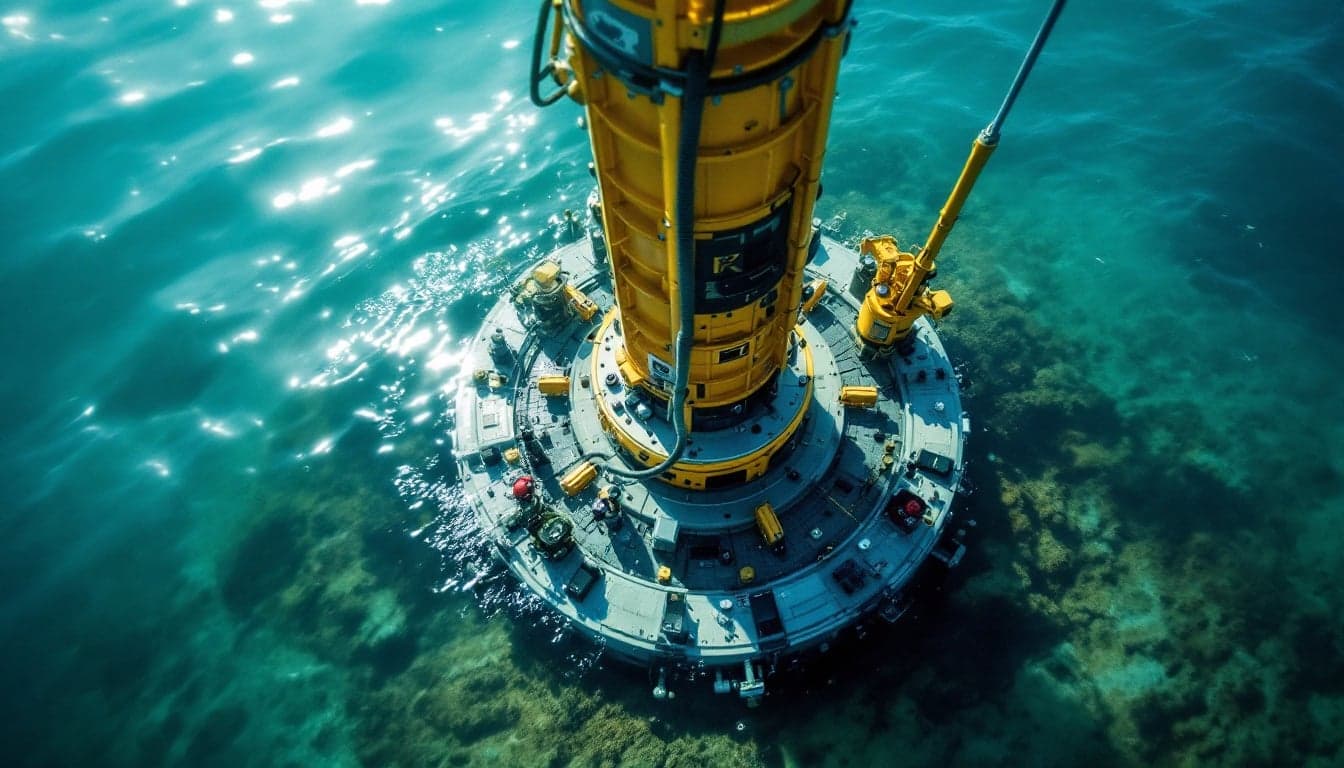
According to Offshore Engineer, Hydra Subsea has announced the execution of a commercial agreement with Shell Offshore Inc. for a standardized deepwater pipeline installation solution. The agreement covers selected subsea tie-in projects and is structured around a repeatable, engineered approach to pipeline installation in deepwater environments.
The source material describes the arrangement as targeting specific subsea tie-in scopes, though further operational details — including project locations, water depths, and timeline — were not disclosed in the published announcement.
The agreement positions Hydra Subsea as a delivery partner for Shell's subsea pipeline installation needs under a defined commercial framework, reflecting an approach that prioritizes standardization over bespoke engineering on a project-by-project basis.
WHY IT MATTERS
For the broader deepwater market, the significance of this agreement lies less in its individual scope and more in what it represents structurally: a major operator formalizing a standardized delivery model with a specialist contractor for a category of work — subsea pipeline tie-ins — that has historically been handled through conventional project-by-project tendering.
Standardization in subsea installation is not a new concept, but its adoption has been uneven. The technical complexity of deepwater tie-ins, which typically involve precise alignment of pipeline end terminations, connection of flying leads, and coordination with ROV operations, has often made operators reluctant to commit to templated solutions. When a company of Shell's scale formalizes such a framework through a commercial agreement, it suggests that confidence in the repeatability of the solution has reached a threshold sufficient for contractual commitment.
For Brazilian operators and their engineering teams, this development is worth tracking as a reference case. Petrobras operates one of the densest subsea infrastructure networks in the world, with ongoing tie-back campaigns across the pre-sal polygon that require frequent pipeline installation and connection work. The question of whether standardized tie-in solutions can reduce cycle times and installation vessel costs is directly relevant to that operational context. Brazil's subsea supply chain — including domestic contractors and international companies with local presence — will be watching whether agreements of this type produce measurable efficiency outcomes that could inform future procurement strategies.
The model also carries implications for how operators structure risk and cost in subsea campaigns. A standardized commercial agreement, as opposed to a lump-sum EPC or a day-rate vessel charter, implies a degree of shared methodology between operator and contractor. This can reduce front-end engineering costs and accelerate mobilization, but it also requires the operator to accept a degree of design constraint. Whether that trade-off is favorable depends heavily on the specific reservoir and infrastructure geometry — a consideration that varies considerably across Brazil's offshore portfolio.
For subsea contractors and equipment suppliers operating in Brazil, the Hydra Subsea–Shell arrangement is a signal that the market for specialist, standardized installation services is maturing internationally. Brazilian contractors with pipeline installation capabilities — and international players seeking to expand their regional footprint — may find that operators are increasingly receptive to framework-style agreements that reduce procurement friction on recurring scopes of work.
It is also worth noting the role of standardization in supporting the energy transition agenda within oil and gas operations. Repeatable subsea installation solutions can reduce the vessel time required per tie-in, which in turn reduces fuel consumption and associated emissions per unit of installed infrastructure. While this is not the primary driver of such agreements, it is a secondary benefit that operators are increasingly required to account for in project reporting.
CONTEXT
Hydra Subsea has been active in developing engineered solutions for subsea pipeline installation, particularly in deepwater applications where conventional methods carry higher operational risk and cost. The company's focus on standardized approaches aligns with a broader industry trend in which operators are seeking to industrialize subsea operations — applying manufacturing-style repeatability to what has traditionally been bespoke, high-variability work.
Shell's engagement with specialist contractors for defined installation scopes is consistent with a capital allocation approach that seeks to concentrate internal engineering resources on reservoir and production decisions while externalizing execution risk on well-defined infrastructure tasks. This pattern is observable across multiple international operators and is likely to influence how Brazilian operators and their regulators think about contractor qualification and framework contracting in future licensing rounds and development campaigns.